The phone rings late at night. A panicked voice says, “Grandma, it’s me. I’m in trouble and I need your help. Please don’t tell Mom and Dad.” The caller says they were in a car accident, got arrested, or are stuck in another country, and they need money right away.
It feels real. It sounds urgent. And that is exactly how the grandparent scam works.
This scam, also called the family emergency scam, targets people of all ages, but older adults are hit the hardest. Here is how it works, the warning signs to watch for, and what to do if you get one of these calls.
How the Grandparent Scam Works
The scammer pretends to be a grandchild, child, or other relative in a crisis. Sometimes a second person joins the call, pretending to be a police officer, lawyer, or doctor, to make the story sound more official.
The story usually follows the same pattern:
- There is an emergency. An accident, an arrest, a hospital bill, or trouble while traveling.
- They need money now. Bail, a lawyer’s fee, a medical bill, or a ticket home.
- It has to be a secret. “Please don’t tell anyone. I’m so embarrassed.”
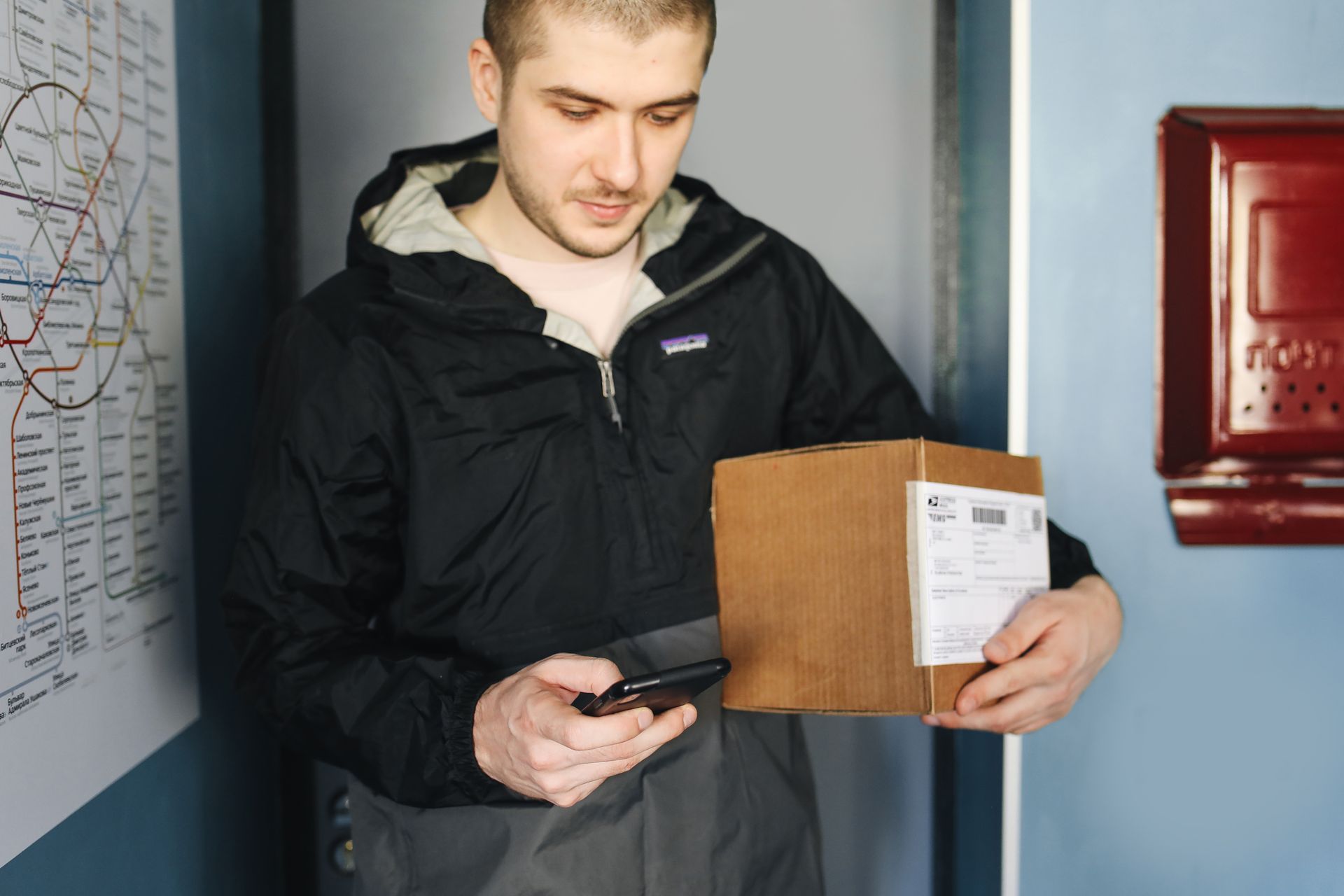
- The payment method is unusual. Gift cards, wire transfers, cryptocurrency, cash sent by mail, or cash handed to a “courier” who comes to your door.
Scammers often find names and family details on social media, which makes their stories sound believable.
How Technology Makes It Harder to Spot
Today, scammers can use artificial intelligence to copy a person’s voice from short clips posted online. A few seconds of a video on social media may be enough to create a voice that sounds like someone you love.
They can also fake caller ID, so the call may appear to come from a local number, a police department, or even a family member’s phone.
This means you cannot trust a familiar voice or a familiar number alone. You need a way to check.
Warning Signs of a Fake Emergency Call
Be suspicious if a caller:
- Pushes you to act immediately and does not give you time to think.
- Asks you to keep the call a secret from other family members.
- Starts with “It’s me” and waits for you to say a name.
- Sounds a little different and explains it with a cold, a broken nose, or a bad connection.
- Asks for payment by gift card, wire transfer, cryptocurrency, or cash pickup.
- Hands the phone to a “lawyer,” “officer,” or “bail agent” who asks for money.
Real police and courts do not ask families to pay bail with gift cards or to hand cash to a stranger at the door. If a caller asks you to buy gift cards, it is a scam. Learn more in our guide on gift card scams.
What to Do If You Get One of These Calls
- Stay calm and slow down. Scammers rely on panic. Taking a few minutes to think is your best protection.
- Do not confirm names or details. If the caller says “It’s me,” ask “Who is this?” instead of guessing a name.
- Ask a question only your relative would know. Something that is not on social media, like a pet’s nickname or a family memory.
- Hang up and call your relative directly. Use the phone number you already have for them, not a number the caller gives you.
- Call another family member. Check with parents, siblings, or friends who would know where your relative is. Ignore the request for secrecy.
- Never send money until you have confirmed the story. A real emergency will still be real after a five-minute phone call to check.
Create a Family Code Word
One of the simplest protections is a family code word or safety phrase. Pick a word or short phrase that everyone in the family knows, but that is never posted online or shared with anyone else.
If someone calls claiming to be a family member in trouble, ask for the code word. If they cannot give it, hang up and call your relative directly.
Talk about this plan with older relatives, especially grandparents. A short conversation at a family dinner can prevent a very expensive mistake.
Protect Your Family’s Information Online
Scammers build their stories from what they find online. You can make their job harder:
- Set social media accounts to private.
- Avoid posting travel plans while you are away.
- Be careful about sharing family names, school names, and relationships publicly.
- Think twice before posting long videos with your voice, especially on public accounts.
What to Do If You Already Sent Money
If you think you were scammed, act quickly:
- Gift cards: Contact the company that issued the card right away. Keep the card and receipt.
- Wire transfer or money transfer app: Call the company and ask them to stop or reverse the transfer.
- Bank or credit card: Call your bank’s fraud department using the number on the back of your card.
- Cash sent by mail or delivery service: Contact the shipping company and ask them to stop the package.
- Cryptocurrency: Contact the exchange you used as soon as possible.
Then report the scam to the Federal Trade Commission at ReportFraud.ftc.gov and to your local police. Reporting helps authorities track scammers and warn others.
Do not feel ashamed. These scams are designed by professionals to fool smart, caring people. Talking about it openly helps protect your friends and family.
Quick Checklist
- Slow down. Urgency is a red flag.
- Never guess a name when a caller says “It’s me.”
- Hang up and call your relative on a number you already have.
- Ignore requests for secrecy.
- Never pay with gift cards, wire transfers, crypto, or cash to a courier.
- Set up a family code word.
- Report scams to the FTC and local police.
The grandparent scam works because it targets love and fear at the same time. A simple plan, a code word, and a quick phone call to check can stop it before any money is lost.