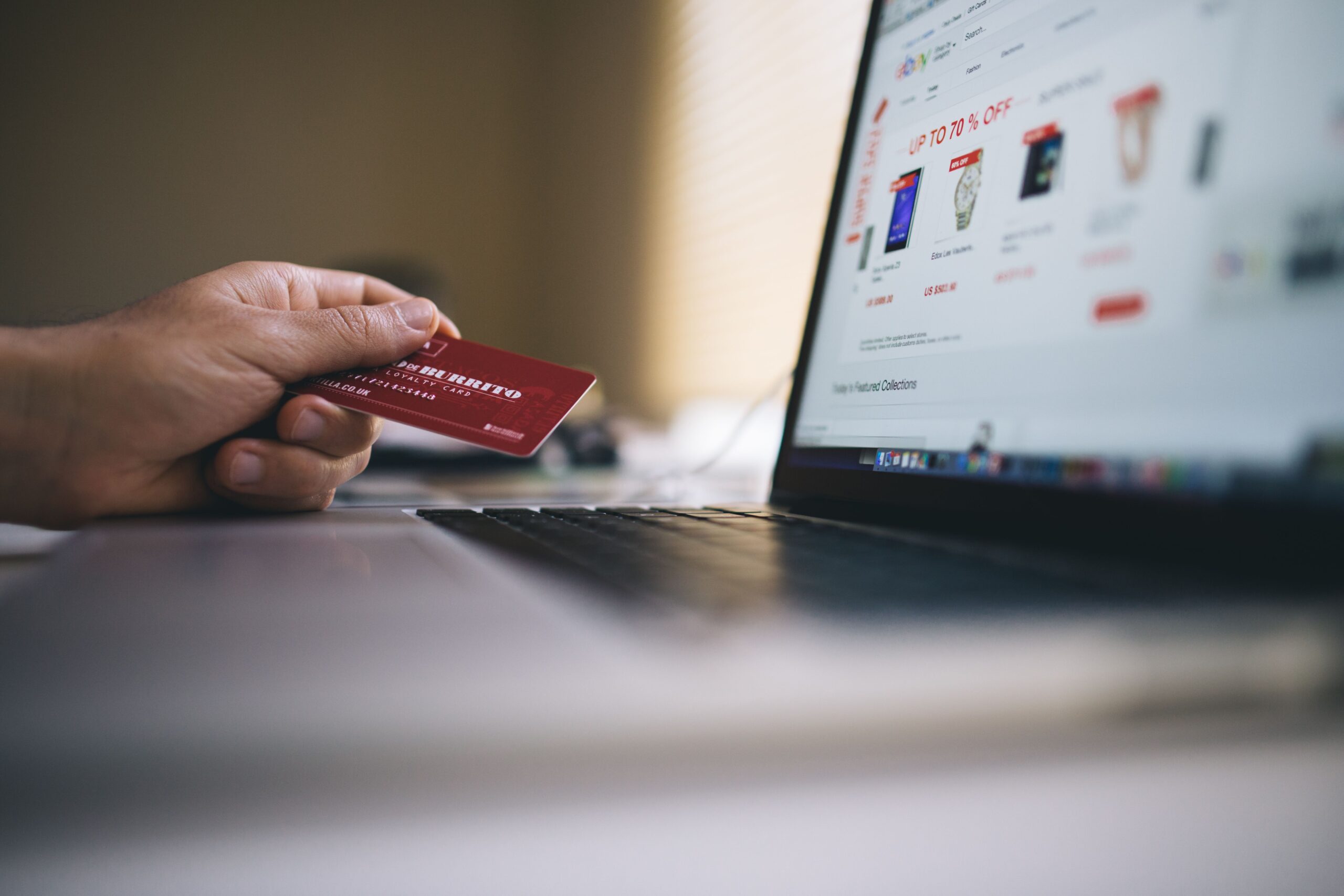
Holiday shopping season is also busy season for scammers. Every year, fake online stores pop up with great-looking photos, huge discounts, and a countdown timer telling you to buy now. You pay, and then nothing arrives, or you get a cheap knockoff that looks nothing like the picture. Here is how to spot a fake store before you hand over your money.
Red flags of a fake online store
One warning sign alone doesn’t always mean a scam, but if you see several of these, walk away:
- Prices that are far below what every other store charges
- A web address that looks almost right but is slightly off, with extra words, numbers, or odd spelling
- No real contact information, only a contact form or a free email address
- Pressure tactics like “only 2 left” or a timer that resets when you reload the page
- Spelling and grammar mistakes all over the site
- Product photos that look copied from other brands
- Payment options limited to wire transfer, gift cards, cryptocurrency, or payment apps
Check the web address carefully
Scammers often copy the look of real stores and use a web address that is close to the real one. Before you buy, look at the address bar letter by letter. If you got to the store by clicking an ad or a link in a text or email, close it and type the store’s address yourself or search for it.
A padlock icon in the address bar only means the connection is encrypted. It does not mean the store is honest. Many fake stores have one.
Look for the store outside its own website
Reviews on the store’s own site can be fake. Instead, search the store’s name together with words like “scam,” “reviews,” or “complaints.” If you find nothing at all, or you find stories from people who never got their orders, that tells you a lot. Be extra careful with stores that seem brand new.
Read the return policy and contact page
A real business tells you how to reach it and how returns work. Be suspicious if:
- There is no physical address or phone number
- The return policy is missing, vague, or says all sales are final
- The “About Us” page is generic and could fit any store
Pay the safer way
How you pay matters if something goes wrong. A credit card usually gives you the strongest protection, because you can dispute a charge for something you never received. Avoid stores that only accept:
- Wire transfers
- Gift cards
- Cryptocurrency
- Payment apps meant for sending money to friends and family
Legitimate stores don’t ask you to pay in ways that are hard to reverse.
Watch out for ads on social media
Many fake stores find their victims through ads on social media. The ad may show a popular product at an unbelievable price. Before you click “buy,” look up the store using the tips above. If the deal only exists in that ad, it probably isn’t real.
What to do if you already paid
If you think you bought from a fake store, act quickly:
- Contact your credit card company or bank right away and ask to dispute the charge
- Save screenshots of the website, your order, and any emails
- If you used the same password on that site anywhere else, change it
- Watch your account statements for charges you don’t recognize
- Report the store to the Federal Trade Commission at ReportFraud.ftc.gov
Reporting helps protect other shoppers, even if you don’t get your money back.
Quick checklist before you buy
- The price makes sense compared to other stores
- The web address is exactly right
- You found real reviews outside the store’s website
- There is a real address, phone number, and return policy
- You’re paying with a credit card, not a gift card or wire transfer
A great deal is only great if the package actually shows up. Take two minutes to check the store first, and enjoy your holiday shopping.
Leave a Reply