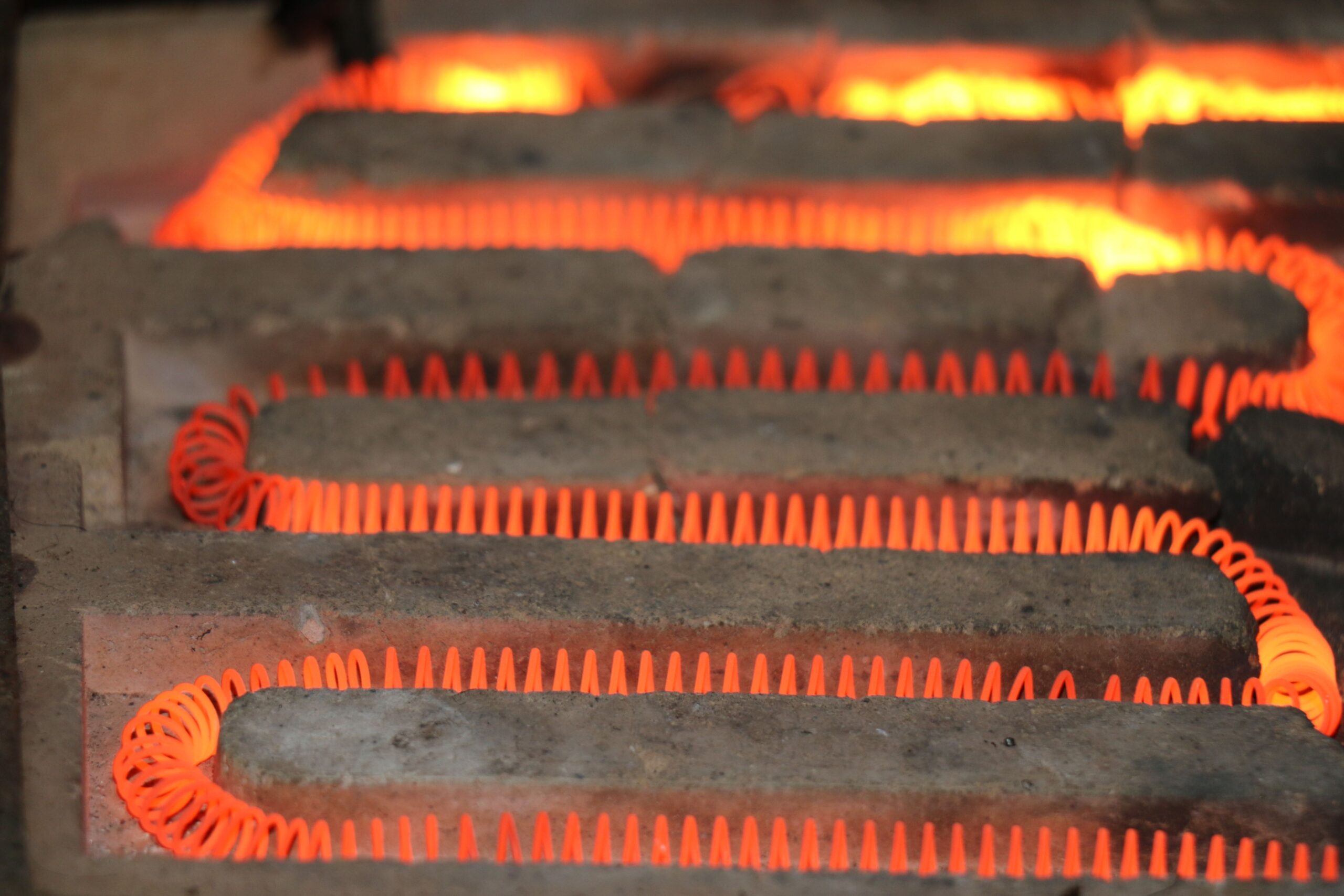
When the temperature drops, a space heater can make a cold room comfortable in minutes. But heating equipment is one of the leading causes of home fires in the United States, and many of those fires start the same way: something that can burn was too close to the heater. The good news is that a few simple habits make a big difference.
Choose a heater with built-in safety features
If you are buying a new heater, look for these features on the box:
- Tip-over shutoff, which turns the heater off if it gets knocked over
- Overheat protection, which shuts it off if the inside gets too hot
- A safety certification mark from a recognized testing lab, such as UL, ETL, or CSA
- A cool-touch case, especially if you have kids or pets
Electric heaters are the simplest choice for most homes. Fuel-burning heaters (kerosene or propane) need extra care, and we cover them below.
Follow the 3-foot rule
Keep anything that can burn at least 3 feet (about 1 meter) away from the heater. That includes:
- Curtains and drapes
- Beds, blankets, and sofas
- Clothes, towels, and paper
- Holiday decorations
Think of it as a “no-go zone” around the heater. Kids and pets should stay out of it too.
Plug it straight into the wall
Space heaters pull a lot of electricity. Plug the heater directly into a wall outlet, never into an extension cord or a power strip, which can overheat. Also:
- Don’t plug anything else into the same outlet
- Check the cord before each season and stop using the heater if the cord is cracked, frayed, or damaged
- Never run the cord under a rug, where heat can build up and damage goes unnoticed
- If the plug or outlet feels hot, turn the heater off and unplug it
Put it in the right spot
Place the heater on a flat, hard, level floor, not on a rug, a table, or furniture. Keep it out of walkways so no one trips over it or the cord. Bathrooms and other damp spaces are a bad idea unless the heater is made for them.
Never leave it running unattended
This is the habit that matters most. Turn the heater off and unplug it when you:
- Leave the room
- Go to sleep
- Leave the house
If you need warmth at night, use extra blankets instead of running a heater next to the bed.
Don’t use a heater for the wrong job
A space heater is for warming a room, nothing else. Don’t use it to dry clothes or shoes, warm up bedding, or thaw pipes. And never use your oven or stove to heat your home.
A special warning about fuel-burning heaters
Kerosene and propane heaters burn fuel, and anything that burns fuel can produce carbon monoxide (CO), a gas you can’t see or smell. If you use one:
- Only use a model made for indoor use, and follow the manufacturer’s instructions
- Give the room the fresh air the instructions call for
- Use only the right fuel, and refuel outside after the heater has cooled down
- Have a working CO alarm in your home
Never bring an outdoor heater, grill, or camp stove inside to warm up, even for a short time.
Make sure your alarms are ready
Heating season is the right time to check your safety alarms. Test your smoke alarms and CO alarms, and replace dead batteries. You should have a smoke alarm on every level of your home and near every sleeping area, and a CO alarm outside each sleeping area and on every level.
If a heater catches fire
Don’t try to be a hero. Get everyone out, close the door behind you, and call 911 from outside. Don’t go back in for belongings.
Quick space heater checklist
- Safety-certified heater with tip-over and overheat shutoff
- 3 feet of clear space on all sides
- Plugged directly into a wall outlet
- Flat, hard floor, away from walkways
- Off and unplugged when you leave or sleep
- Smoke and CO alarms tested and working
A space heater can keep you comfortable all winter. Give it space, plug it in the right way, and never leave it running alone.
Leave a Reply