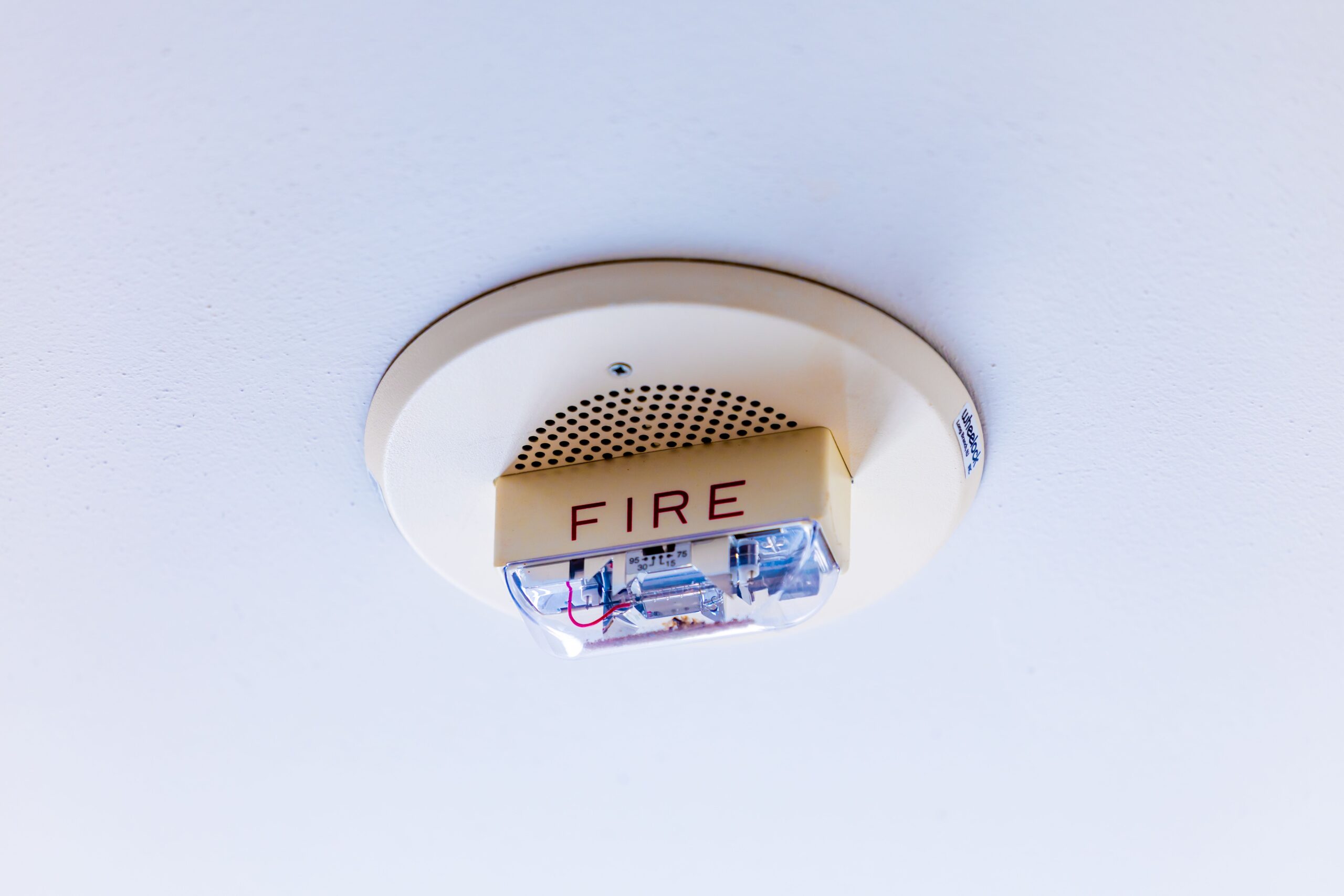
Most people have a smoke alarm on the ceiling and never think about it again, until it starts chirping at 3 a.m. But a working smoke alarm is one of the cheapest and simplest ways to protect your family. Fire safety groups report that a large share of home fire deaths happen in homes with no smoke alarms, or with alarms that were not working. The good news is that keeping yours in shape takes only a few minutes a month. Here is where to put them, how to test them, and when to replace them.
Why smoke alarms matter so much
Smoke spreads fast, and many home fires start at night while people are asleep. Smoke does not wake you up. In fact, it can make you drowsier. A loud alarm is what gives you the extra minutes you need to get everyone outside.
Where to put smoke alarms
The National Fire Protection Association (NFPA) recommends smoke alarms in these places:
- Inside every bedroom
- Outside each sleeping area, such as the hallway next to the bedrooms
- On every level of the home, including the basement
- On levels with no bedrooms, in the living room or near the stairs that lead to the next level
Larger homes may need more alarms than this. A few placement tips will also help:
- Mount alarms high on a wall or on the ceiling, because smoke rises. Follow the instructions that came with the alarm.
- Keep alarms at least 10 feet away from the stove to cut down on false alarms while cooking.
- Avoid spots near windows, doors, air vents, and ceiling fans. Moving air can push smoke away from the alarm.
- Do not put an alarm right outside the shower. Steam can set it off.
Consider interconnected alarms
With interconnected alarms, when one alarm sounds, they all sound. That matters more than people think. If a fire starts in the basement, you want to hear it in the upstairs bedroom right away, not when the smoke finally reaches the hallway. Some interconnected alarms are wired in by an electrician, and others are wireless and talk to each other, which makes them easier to add to an older home.
How to test your smoke alarms
Test every alarm at least once a month. Just press and hold the test button until it sounds.
- If the sound is loud and clear, you are done.
- If it is weak or silent, replace the battery and test again.
- If it still does not work, replace the alarm.
Pick an easy date to remember, like the first day of every month, and set a reminder on your phone. If you cannot reach the button, use a sturdy step ladder instead of a wobbly chair, or press the button with the end of a broom handle.
While someone presses the test button, walk around the house. Make sure the alarm can be heard in every bedroom with the door closed, and make sure everyone at home knows what the sound means.
Batteries: what to do and what not to do
The right battery routine depends on the type of alarm you have:
- Alarms with a sealed 10-year battery do not need battery changes. When one starts chirping to warn of a low battery, replace the whole alarm.
- Alarms with replaceable batteries need new batteries at least once a year. If one chirps, change the battery right away.
- Hardwired alarms still have a backup battery for power outages. Change it once a year as well.
Two habits to avoid: never “borrow” the battery from a smoke alarm for a remote control or a toy, and never take the battery out to stop false alarms while cooking. Instead, press the hush button if your alarm has one, or wave a towel to clear the air near it.
When to replace your smoke alarms
Smoke alarms do not last forever. Replace every alarm 10 years after the date it was made, even if it still beeps when you test it. The date of manufacture is printed on the back of the alarm. If you cannot find a date, the alarm is probably old enough to replace.
Replace an alarm sooner if it fails a test even with a fresh battery. Combination smoke and carbon monoxide alarms may need to be replaced sooner than 10 years, so check the label or the manufacturer’s instructions.
Keep them clean
Dust and cobwebs can get inside an alarm and cause false alarms or slow it down. Once or twice a year, gently vacuum the outside of the alarm with a soft brush attachment, following the manufacturer’s instructions. Never paint over a smoke alarm or cover it with stickers or decorations.
Have a plan for when the alarm goes off
A smoke alarm only helps if everyone knows what to do when it sounds:
- Get out, stay out, and call 911 from outside.
- Know two ways out of every room, usually a door and a window.
- Choose a meeting spot outside, like a mailbox or a neighbor’s tree.
- Children and older adults may not wake up to the alarm. Decide ahead of time who will help them.
- People who are deaf or hard of hearing can use special alarms with strobe lights and bed shakers.
Practice your escape plan with the whole household at least twice a year.
Quick smoke alarm checklist
- An alarm in every bedroom, outside each sleeping area, and on every level
- Test every alarm once a month
- New batteries at least once a year (if they are replaceable)
- Replace each alarm when it is 10 years old
- Practice your escape plan twice a year
It takes about ten minutes a month to keep your smoke alarms ready, and they protect your family every hour of the day. Take a look at the ceilings in your home today and make sure every alarm is where it should be and working.
Leave a Reply