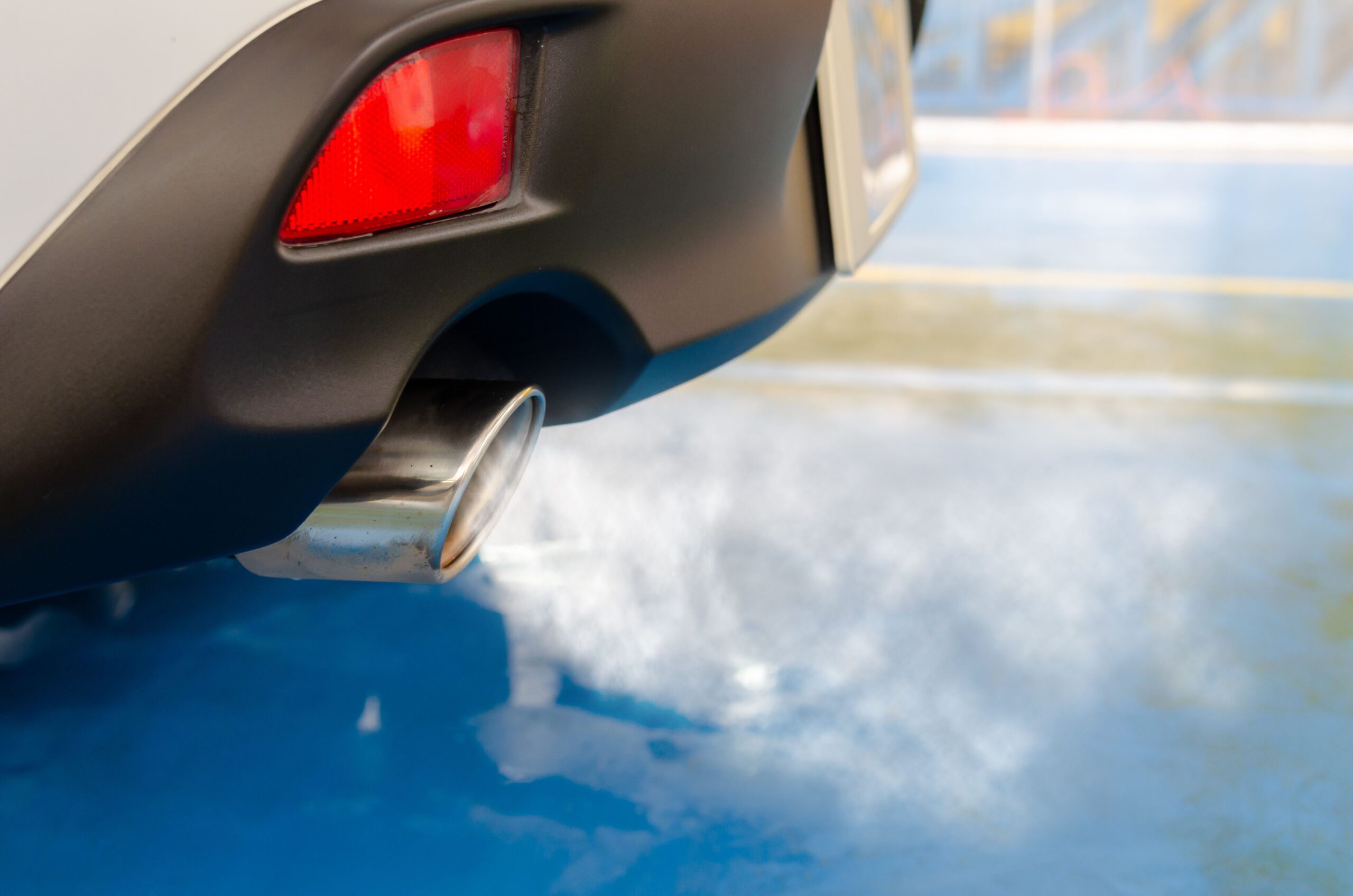
Carbon monoxide, or CO, is called the “silent killer” for a reason. You cannot see it, smell it, or taste it, and it can build up inside a home without anyone noticing. Every year in the United States, hundreds of people die from accidental carbon monoxide poisoning, and many more end up in the hospital. The good news is that a working CO alarm and a few simple habits protect your family almost completely. Here is what every home needs to know.
What carbon monoxide is and where it comes from
Carbon monoxide is a gas made when fuel does not burn completely. Anything in your home that burns fuel can produce it, including:
- Gas furnaces and boilers
- Gas water heaters
- Gas stoves and ovens
- Fireplaces and wood stoves
- Gas or kerosene space heaters
- Cars, trucks, and motorcycles running in an attached garage
- Portable generators, lawn mowers, and other gas-powered tools
When these appliances work well and vent properly, they are safe. The danger comes when something goes wrong, like a cracked heat exchanger in a furnace, a blocked chimney, or a generator running in the wrong place.
Does your home need a CO alarm?
If your home has any fuel-burning appliance, a fireplace, or an attached garage, the answer is yes. Even an all-electric home can be exposed if a car is left running in an attached garage. Many states and cities now require CO alarms in homes, but you should have them whether the law requires them or not.
Where to put CO alarms
Fire safety groups such as the National Fire Protection Association (NFPA) recommend:
- A CO alarm in a central spot outside each sleeping area, such as the hallway outside the bedrooms
- A CO alarm on every level of the home, including the basement
- Extra alarms where your local laws or codes require them
The most important spot is near the bedrooms. Carbon monoxide is most dangerous at night, when people are asleep and cannot notice the early symptoms.
Follow the instructions that come with your alarm for height and placement. They will also tell you how far to keep the alarm from fuel-burning appliances, kitchens, and bathrooms to avoid false alarms.
Smoke alarms and CO alarms are not the same
A regular smoke alarm does not detect carbon monoxide. You need either a separate CO alarm or a combination smoke and CO alarm. Check the label: a combination alarm will clearly say it detects both smoke and carbon monoxide.
Know the warning signs of CO poisoning
Carbon monoxide poisoning can feel like the flu. Common symptoms include:
- Headache
- Dizziness or weakness
- Nausea or vomiting
- Shortness of breath
- Confusion or feeling sleepy
Pay attention to patterns. If everyone at home feels sick at the same time, if the symptoms get better when you leave the house, or if your pets seem sick too, carbon monoxide could be the cause.
What to do if your CO alarm goes off
Never ignore a CO alarm, even if no one feels sick.
- Get everyone, including pets, out of the house and into fresh air right away.
- Call 911 or your fire department from outside.
- Do not go back inside until emergency responders say it is safe.
Opening the windows is not enough. Fresh air may lower the level for a while, but the source of the gas is still there. Let the professionals find it.
Also learn the difference between the alarm sound and the low-battery or end-of-life chirp. The manual that comes with your alarm explains each sound.
How to test and maintain CO alarms
- Test every CO alarm once a month by pressing the test button.
- Replace the batteries at least once a year if your alarm uses replaceable batteries.
- If your alarm has a sealed battery and starts chirping, replace the whole alarm.
- Replace CO alarms when they reach the end of their life. Many models last 5 to 10 years, and some will chirp or show a message when it is time. Check the date and the manufacturer’s instructions.
Simple habits that prevent CO poisoning
An alarm is your warning system, but prevention comes first:
- Have your furnace, water heater, and other fuel-burning appliances checked by a qualified technician every year.
- Have your chimney and fireplace inspected and cleaned regularly.
- Never use a gas oven or stove to heat your home.
- Never run a car in an attached garage, even with the garage door open.
- Never use a charcoal grill, camp stove, or gas heater meant for outdoor use inside your home, garage, or tent.
- After a snowstorm, clear snow away from dryer, furnace, and other outside vents.
Generators: the biggest danger during power outages
Many CO deaths happen during storms and power outages, when people use portable generators. Follow these rules every time:
- Never run a generator inside your home, garage, basement, crawl space, or shed, even with the doors open.
- Keep the generator at least 20 feet away from your home.
- Point the exhaust away from doors, windows, and vents.
Quick CO safety checklist
- A CO alarm outside each sleeping area and on every level
- Test alarms once a month
- Replace batteries yearly and alarms when they reach end of life
- Yearly check-up for fuel-burning appliances
- Generators outside only, at least 20 feet from the house
- If the alarm sounds: get out, stay out, and call 911
Carbon monoxide gives no warning on its own, so your CO alarm has to do it for you. Take a few minutes today to check that every level of your home is covered, especially near the bedrooms.
Leave a Reply